Foenegriek (Fenugreek) | History, Nutrition, Uses & Health Benefits

History of Foenegriek
Foenegriek has a rich history that dates back thousands of years, making it one of the oldest known food crops in the world. Ancient civilizations in Egypt, Greece, and Rome used foenegriek not only as a food ingredient but also as a natural remedy and cultural staple. Historical records show that this seeds were found in ancient Egyptian tombs, where they were valued for their nutritional and medicinal properties. Over time, Fenugreek spread across Asia, the Middle East, and Europe through trade routes, becoming an essential part of traditional cooking and daily diets. Its long-standing use as both food and wellness support has helped Foenegreek maintain its importance from ancient times to modern kitchens.
What Is Foenegriek?
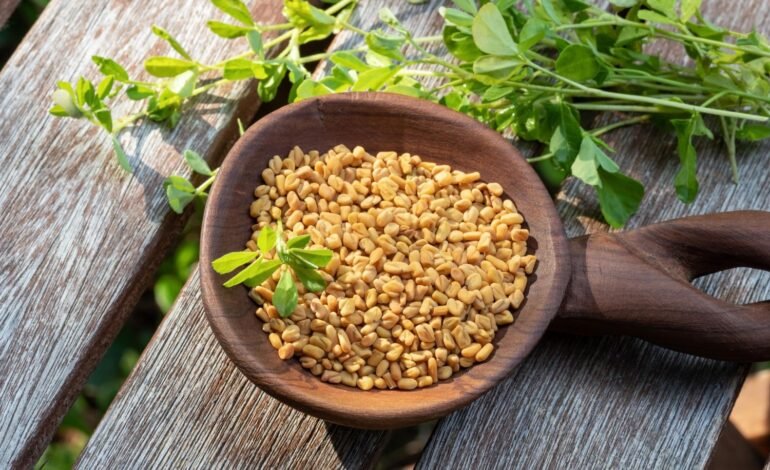
Foenegriek is a widely used food ingredient and medicinal plant known for its strong aroma, slightly bitter taste, and impressive nutritional value. It is comes from the seeds of the fenugreek plant and has been part of traditional cuisines and natural remedies for centuries. Today, it is recognized globally as both a functional food and a health-supporting spice.
It is commonly used in cooking, herbal teas, powders, and supplements. Its versatility makes Fenugreek a staple in many households, especially in South Asian, Middle Eastern, and Mediterranean cuisines.
Foenegriek as a Food Ingredient
Foenegriek is primarily consumed as a food item in seed or powder form. The seeds are often roasted or soaked before use to reduce bitterness and enhance flavor. Foenegreek adds depth to dishes and is frequently used in curries, bread, pickles, and spice blends.
As a food ingredient, Fenugreek is valued not only for taste but also for its nutritional profile. Many people include foenegreek in their diet because it supports digestion and overall wellness when consumed regularly in moderate amounts.
Nutritional Value of Foenegriek
Fenugreek is rich in essential nutrients that support daily dietary needs. It contains plant-based protein, dietary fiber, vitamins, and minerals that contribute to balanced nutrition.
Nutritional Composition of Foenegriek (Per 100g)
| Nutrient | Amount |
|---|---|
| Energy | 323 kcal |
| Protein | 23 g |
| Carbohydrates | 58 g |
| Dietary Fiber | 25 g |
| Fat | 6 g |
| Iron | 33 mg |
| Magnesium | 191 mg |
| Vitamin B6 | 0.6 mg |
| Potassium | 770 mg |
This nutritional density makes it a powerful addition to everyday meals.
Health Benefits of Foenegreek
Foenegriek is widely known for its health-supporting properties. The fiber content in Fenugreek helps promote digestive health and supports better gut function. It is also known for helping regulate blood sugar levels, making it a popular food choice among people focusing on balanced diets.
It contains natural compounds that may support heart health and cholesterol balance. Regular intake of foenegreek as part of meals can contribute to overall metabolic wellness.
Foenegriek in Traditional and Modern Diets
Foenegriek has a long history of use in traditional food systems. In many cultures, Fenugreek is soaked overnight and consumed in the morning as part of a wellness routine. In modern diets, foenegreek is increasingly used in smoothies, health drinks, and functional foods.
The growing popularity of plant-based nutrition has further increased the demand for foenegreek. Its natural origin and nutritional benefits make Fenugreek suitable for vegetarian and vegan diets.
Culinary Uses of Foenegriek
Fenugreek is added to many different types of recipes. The seeds are often dry-roasted to enhance flavor, while Fenugreek powder is added directly to recipes. Fresh foenegreek leaves are also used in cooking and provide a mild, slightly sweet flavor.
Fenugreek works well in both savory and health-focused recipes. It is commonly used in spice mixes, sauces, stews, and flatbreads.
Common Culinary Forms of Foenegriek
| Form | Common Use |
|---|---|
| Whole Seeds | Used in meals, soaked before eating, or dry roasted |
| Powdered Form | Added to seasonings, curry dishes, and nutritional mixes |
| Fresh Leaves | Cooked in dishes or used as a natural topping |
| Concentrated Extract | Included in health and nutrition-based products |
Fenugreek and Digestive Health
Fenugreek is especially valued as a food that supports digestion. The high fiber content helps improve bowel movement and supports gut health. Foenegriek has traditionally been used in food preparation to reduce digestive discomfort and improve appetite.
Because it absorbs water and expands, it creates a feeling of fullness, which can support healthy eating habits when included in meals.
How to Consume Foenegriek Safely
It is generally safe when consumed as a food ingredient. Moderate consumption is recommended, as taking too much may lead to stomach upset or digestive issues. Soaking Fenugreek seeds before consumption helps improve digestibility and reduces bitterness.
Foenegriek powder should be stored in airtight containers to maintain freshness and flavor.
Fenugreek in the Modern Health Food Industry
Foenegriek has gained popularity in the modern health food market. It is commonly found in protein blends, herbal teas, and nutrition supplements. Many health-focused brands include Fenugreek due to its natural benefits and plant-based appeal.
As consumer interest in natural foods grows, Fenugreek continues to be recognized as a valuable functional food ingredient.
Foenegriek vs Other Common Spices
Foenegreek stands out from other spices due to its combined nutritional and functional properties. Unlike spices that are used only for flavor, Fenugreek offers both taste and health support.
Comparison Table
| Spice | Nutritional Density | Functional Benefits |
|---|---|---|
| Foenegreek | High | Digestive, metabolic |
| Cumin | Moderate | Digestive |
| Coriander | Low | Flavor |
| Mustard Seeds | Moderate | Metabolism |
Conclusion
Foenegriek is more than just a spice; it is a powerful food ingredient with nutritional, functional, and culinary value. From traditional kitchens to modern health foods, it continues to play an important role in balanced diets. Its rich nutrient profile, digestive benefits, and versatility make it a smart addition to everyday meals.
By incorporating it into food routines, individuals can enjoy both flavor and health benefits in a natural and sustainable way.
FAQs About Foenegreek
Is Fenugreek the same as fenugreek?
Yes, Fenugreek and fenugreek refer to the same plant. Foenegriek is simply another name used in different regions for fenugreek seeds and leaves.
Is foenegriek a food or a spice?
Foenegriek is both a food and a spice. It is used as a cooking ingredient, seasoning, and in some cases as a health-supporting food.
What are the health benefits of Fenugreek?
Fenugreek supports digestion, helps maintain balanced blood sugar levels, and provides essential nutrients such as fiber, iron, and protein.
How is Fenugreek used in cooking?
Fenugreek is used in whole seed form, powdered form, and as fresh leaves. It is added to curries, breads, pickles, sauces, and spice blends.
Can Fenugreek be eaten daily?
Foenegriek can be eaten daily in moderate amounts as part of a balanced diet. Excessive intake may cause digestive discomfort.