
Hitaar: Timeless Strings of Heritage, Music & Culture

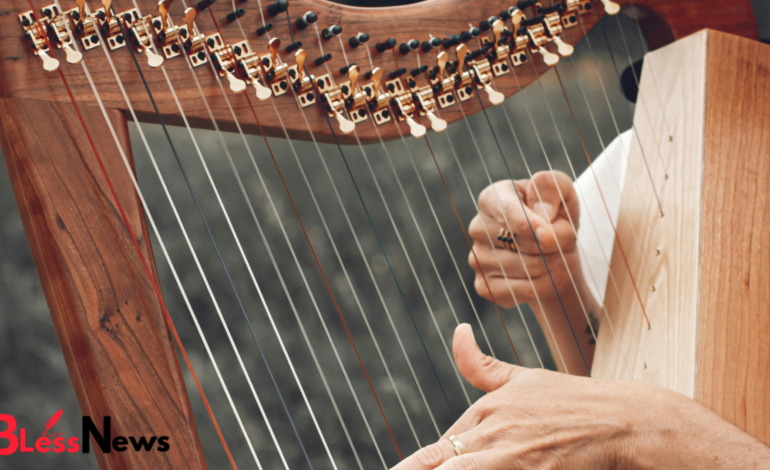
There’s a certain magic in the first note of a Hitaar. Its strings carry warmth, depth, and history, as if centuries of stories are vibrating through its wood. The Hitaar is more than an instrument; it is a living emblem of heritage, connecting South Asian and Arab musical traditions in a way that few other instruments can. Its melodies have the power to move hearts, evoke nostalgia, and celebrate life’s most profound moments.
The Origins of Hitaar
The Hitaar’s story begins centuries ago, at the crossroads of cultures. Its design is believed to have evolved from ancient lute-like instruments, carried along trade routes that connected the Middle East and South Asia. Traders, travelers, and musicians brought their instruments and melodies to new lands, blending with local traditions. Over time, these influences gave birth to the Hitaar, a unique instrument that resonates with both folk simplicity and classical elegance.
In South Asia, the Hitaar became central to village life, accompanying folk songs, storytelling, and local celebrations. In Arab culture, it shares similarities with the oud, following the maqam system, a melodic framework that defines emotional expression in music. The Hitaar’s development is a testament to the centuries of cultural exchange. So between these regions, and it has long been a symbol of identity and tradition, connecting generations through its music.
The Cultural Significance of Hitaar
Hitaar is more than just music; it is a cultural vessel. In South Asian villages, it has historically been played during weddings, harvest festivals, and religious ceremonies. Its melodies provide a soundtrack to life’s rituals, from joyous celebrations to quiet moments of reflection. In Arab communities, the Hitaar is integral to poetry recitals and traditional music gatherings, echoing centuries-old storytelling traditions.
Its presence in these communities extends beyond entertainment. A Hitaar is often a family heirloom, passed down from one generation to the next. Each instrument carries with it the memory of previous musicians, the songs they played, and the stories they told. Learning to play the Hitaar is more than acquiring a skill; it is a way to connect with history and culture, to preserve heritage, and to keep traditions alive in an ever-changing world.
Crafting the Hitaar: An Art Form
The beauty of the Hitaar lies not only in its sound but also in the meticulous craftsmanship that goes into making each instrument. The journey begins by carefully picking the ideal wood, which is essential for the instrument’s tone. Craftsmen select hardwoods such as rosewood, teak, or walnut, known for their resonant qualities and durability. The grain and density of the wood shape the way the instrument will vibrate and project its sound.
Once the wood is chosen, it is carefully carved to create the hollow body, the neck, and the fretboard. Every curve, every contour is carefully considered to ensure that the instrument produces a warm, resonant tone. The strings, traditionally made from gut or metal, are strung with precise tension to achieve the desired pitch and tonal balance. In modern Hitaars, synthetic strings may be used, enhancing durability while maintaining the richness of sound.
Many Hitaars are adorned with decorative elements, including intricate carvings and inlays. These often reflect Arab geometric patterns or South Asian floral designs, turning the instrument into both a musical tool and a work of art. The making of a Hitaar is not merely mechanical; it is a blend of artistry, acoustics, and tradition, where every detail influences the soul of the instrument.
The Music of Hitaar
The true magic of the Hitaar emerges when it is played. Its sound is expressive and versatile, capable of carrying deep emotions or lively rhythms. The musician’s fingers pluck and slide across the strings, producing notes that can be gentle and reflective or bright and celebratory. Unlike instruments with fixed scales, the Hitaar allows for microtones, subtle shifts in pitch that give the music emotional depth and resonance.
Traditionally, the Hitaar accompanies folk songs, poems, and storytelling sessions. In Arab music, its melodies often follow the maqam system, where each scale evokes a specific mood. Whether played solo or as part of an ensemble, the Hitaar has a voice that is at once intimate and powerful, capable of evoking nostalgia and joy, sorrow and hope. Its music transcends language, telling stories that anyone can feel.
Modern Innovations
While the Hitaar is steeped in tradition, it has not remained static. Contemporary musicians and instrument makers have introduced several innovations that allow the instrument to evolve while preserving its soul. Electro-acoustic versions of the Hitaar now allow it to be amplified for performances in large concert halls without losing the warm, natural tone of the original. Digital tuners have made it easier to achieve precise microtones, essential for fusion music and contemporary compositions.
Lightweight and portable designs make it easier for musicians to travel the world while keeping the authenticity of the instrument intact. Modern strings and materials ensure durability without sacrificing sound quality. These innovations have allowed the Hitaar to reach global audiences, blending seamlessly with jazz, pop, and world music while keeping its traditional charm alive.
Hitaar and Arab Culture
The Hitaar shares a deep and intimate connection with Arab culture. Its melodies often align with Arab maqams, which dictate the emotional and melodic direction of music. Arab musicians have long incorporated Hitaar in traditional gatherings, poetry recitals, and celebrations, much like the oud, but with its own distinctive resonance.
Decorative aspects of the Hitaar, such as geometric carvings and inlaid patterns. Reflect Arab artistic sensibilities, making each instrument a cultural artifact. Through its music, the Hitaar becomes a bridge, connecting Arab and South Asian traditions, allowing musicians to explore shared histories while creating something entirely unique. Its presence in cultural ceremonies and music gatherings preserves the connection between past and present, tradition and innovation.
Why Hitaar Matters Today
In a world dominated by digital sounds and electronic music, the Hitaar is a reminder of human touch, history, and emotion. Each string carries centuries of stories. Each carved detail tells a tale of cultural heritage, and each melody connects the listener to generations of musicians. Learning to play the Hitaar is more than mastering an instrument; it is a journey into history, culture, and personal expression.
The Hitaar continues to inspire contemporary musicians, while its music provides a living link to the past. Its voice resonates across generations, celebrating traditions, evoking emotion, and keeping alive the timeless artistry of craftsmanship, storytelling, and culture.
Whether in a quiet courtyard, a festive gathering, or a modern concert stage, the Hitaar’s strings remind us that music is not just sound — it is a connection to who we are and where we come from.