Žižole: The Ancient Fruit Renowned for Its Cultural Roots and Health Benefits

Introduction
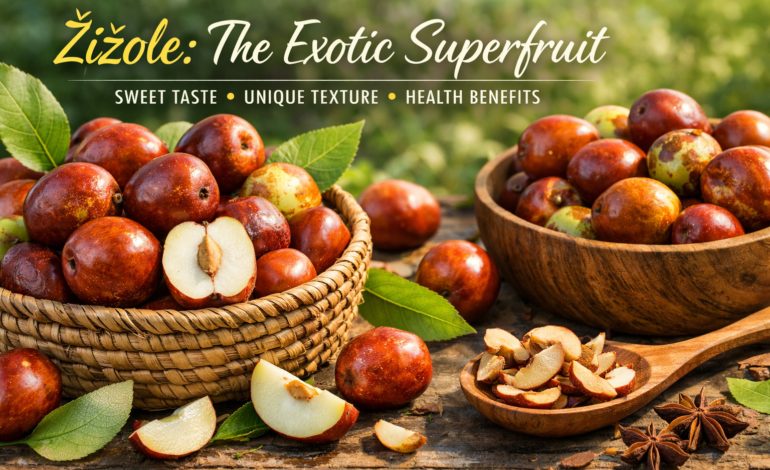
Žižole is an exotic fruit known for its sweet taste, unique texture, and health benefits. Though not common in mainstream markets, it has been cherished for centuries in Asia, the Middle East, and the Mediterranean. With its mild sweetness, reddish-brown skin, and nutrient-rich flesh, Žižole is gaining popularity among food lovers, herbalists, and health-conscious people seeking natural nutrition.
History of Žižole
Žižole has a rich history spanning thousands of years. Records show it was cultivated in ancient China and the Middle East, valued for both food and medicine. Traditional Chinese medicine used it to boost vitality, aid digestion, and promote sleep. In Persian and Mediterranean cultures, people enjoyed it fresh or dried, often in sweets, teas, and herbal remedies. Over time, Žižole spread to subtropical areas, becoming a staple in local diets and healing practices.
Botanical Profile
Žižole belongs to the genus Ziziphus, related to Ziziphus jujuba. It typically grows as a small tree or shrub with thorny branches and shiny, oval leaves. The fruit is small, round to oval, with smooth skin that changes from green to reddish-brown. Inside, the flesh is soft, juicy, and sweet, surrounding a single elongated seed. This plant thrives in dry and subtropical climates and is resilient to drought and poor soil. Its small, greenish-yellow flowers bloom in clusters, eventually turning into the cherished fruit.
Taste and Culinary Uses
Žižole has a sweet and slightly tangy flavor, making it versatile in cooking. When ripe, it has a soft, chewy texture like dates with an earthy hint. You can eat it fresh as a snack or dried in teas, desserts, and traditional sweets. It also works well in smoothies, jams, and syrups, adding natural sweetness without extra sugar. Its unique taste enhances both sweet and savory dishes, making it a flexible ingredient in various cuisines.
Chemical Composition and Nutritional Value
Žižole is rich in bioactive compounds that boost its health benefits. It contains carbohydrates, mainly natural sugars like glucose and fructose, providing energy. The fruit is high in dietary fiber, aiding digestion and gut health. It also has significant amounts of vitamins C, A, and several B vitamins, which support immune function, skin health, and metabolism. Minerals like potassium, magnesium, calcium, and iron promote heart health, bone strength, and oxygen transport in the blood.
Phytochemically, it is loaded with antioxidants, including polyphenols and flavonoids that fight oxidative stress and inflammation. Other compounds, like saponins, alkaloids, and tannins, offer medicinal properties used in traditional practices. These constituents make it both nutritious and a functional food with potential health benefits.
Medicinal and Health Benefits
Žižole has long been used for its health benefits. Its high vitamin C content boosts immunity, while potassium and magnesium help regulate blood pressure and support muscle and nerve function. The fruit’s fiber aids digestion, prevents constipation, and maintains healthy gut bacteria. Phytochemicals like flavonoids and polyphenols provide anti-inflammatory and antioxidant effects, protecting cells and reducing chronic disease risk. In traditional medicine, it has been used for insomnia, anxiety, and stress, showing mild sedative effects. Regularly eating Žižole can enhance energy, promote skin health, and support overall vitality.
Modern Applications and Uses
Today, Žižole is also used in the modern food and pharmaceutical industries. Its dried fruit and extracts feature in herbal teas, natural supplements, and health foods. Researchers are studying its bioactive compounds for potential therapeutic uses, including antioxidant-rich supplements and natural remedies for digestive and sleep issues. Chefs and food lovers are increasingly adding it to gourmet dishes and fusion recipes, showcasing its versatility and rising appeal.
Climate and Soil Requirements for Growing
Žižole grows best in areas with hot summers and mild winters. The trees handle dry and semi-arid conditions well. This makes them perfect for areas with little rainfall. Full sun is key for fruit growth. It helps the fruit get its sweet taste and reddish-brown color.
It grows best in sandy or loamy soil that drains water well and has a moderate amount of nutrients. The plant can handle poorer soils, but very wet or clay-heavy soils can slow growth and raise the risk of disease. Young plants need steady moisture to grow roots. In contrast, mature trees can tolerate drought and need little water. This shows how resilient they are.
How to Select and Store Žižole
When choosing it, look for fruits that are firm, plump, and free of blemishes. Ripe fruit should have a reddish-brown color and yield slightly when pressed. Fresh Žižole can be stored in the refrigerator for up to a week. Dried fruit should be kept in an airtight container in a cool, dry place to maintain its flavor and nutrients. Proper storage ensures the fruit’s taste, texture, and health benefits remain intact.
Conclusion
Žižole is more than just a fruit; it’s a nutrient-rich, medicinally valuable, and historically significant food. Its sweet, tangy flavor and versatile uses make it a delightful addition to any diet. With its rich composition and phytochemicals, it offers many health benefits. From ancient remedies to modern health foods, it’s continues to nourish the body, enhance wellness, and elevate culinary experiences. Adding Žižole to your daily diet is a natural way to boost immunity, support digestion, and enjoy the flavors of this exotic fruit.