
Adenoidid: Why Small Adenoids Can Cause Big Health Issues

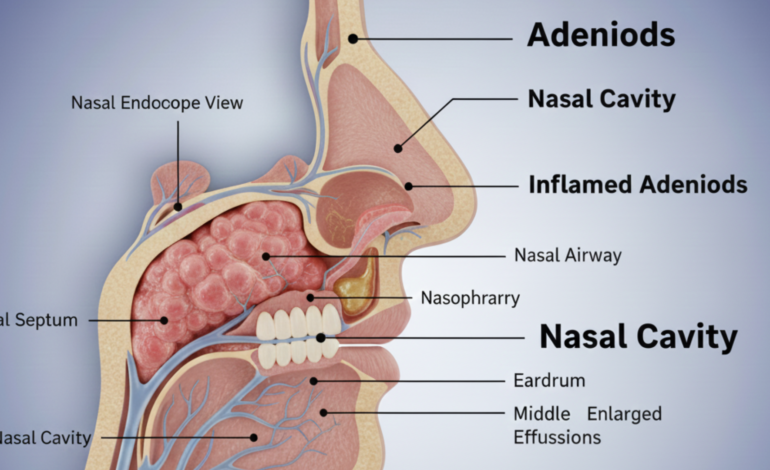
Adenoidid is a common inflammatory condition that primarily affects children but can also occur in adults. It involves swelling or infection of the adenoids—small masses of lymphatic tissue located behind the nasal cavity. Although adenoids play an important role in immune defense during early childhood, persistent inflammation can lead to breathing problems, frequent infections, and long-term health complications if left untreated.
Understanding adenoidid, its symptoms, causes, and available treatment options is essential for early diagnosis and effective management.
What Is Adenoidid?
Adenoidid is a condition in which the adenoids become inflamed or infected. These tissues are part of the body’s immune system and help trap bacteria and viruses entering through the nose. When adenoids become repeatedly infected, they can enlarge and lose their protective function, instead becoming a source of chronic infection.
Adenoids can be acute, lasting for a short period, or chronic, where inflammation persists for weeks or months and causes recurring symptoms.
Causes of Adenoids
Multiple underlying factors can play a role in triggering adenoidid. The most common cause is repeated viral or bacterial infections of the upper respiratory tract. Because their immune systems are still developing, children face a higher risk.
Other contributing causes include allergies that lead to chronic nasal inflammation, exposure to environmental pollutants or cigarette smoke, frequent sinus or ear infections, and gastroesophageal reflux that irritates throat tissues. Poor nasal hygiene and close contact in school environments also increase the risk.
Symptoms of Adenoiditis
The symptoms of adenoidid can vary depending on the severity and duration of the condition. Early symptoms are often mistaken for common colds, which may delay diagnosis.
Common symptoms include persistent nasal congestion, mouth breathing (especially during sleep), loud snoring, and difficulty breathing through the nose. Children may experience a nasal or muffled voice, chronic sore throat, and frequent ear infections.
Other symptoms include bad breath, runny nose with thick mucus, facial pressure, disturbed sleep, bedwetting due to poor sleep quality, and daytime fatigue. In severe cases, swollen adenoids may lead to sleep apnea, characterized by pauses in breathing during sleep.
Effects of Untreated Adenoidid
If adenoidid is left untreated, it can lead to several short-term and long-term complications. Chronic mouth breathing can affect facial development in children, leading to what is known as “adenoid facies,” a condition characterized by elongated facial structure and dental misalignment.
Untreated adenoids may also cause recurrent ear infections, hearing problems, delayed speech development, chronic sinusitis, and poor sleep quality. Over time, disrupted sleep can impact concentration, behavior, and overall growth in children.
In adults, persistent it can contribute to chronic sinus infections, voice changes, and breathing difficulties.
Diagnosis of Adenoidid
Diagnosis usually starts with a clinical examination along with an assessment of reported symptoms. An ENT (ear, nose, and throat) specialist may use a small mirror, nasal endoscopy, or imaging studies such as X-rays to assess adenoid size and inflammation.
In some cases, throat cultures or allergy testing may be recommended to identify underlying causes and guide treatment.
Treatment Options for Adenoid
Treatment for adenoidid depends on the severity, frequency of infection, and the patient’s age.
Mild cases are often managed with medications such as antibiotics for bacterial infections, nasal corticosteroid sprays to reduce inflammation, and antihistamines for allergy-related symptoms. Saline nasal rinses can also help clear mucus and reduce irritation.
For chronic or recurrent adenoiditis that does not respond to medical treatment, surgical removal of the adenoids, known as adenoidectomy, may be recommended. This procedure is common in children and is considered safe and effective, often leading to significant improvement in breathing, sleep quality, and overall health.
Prevention of Adenoiditis
While adenoidid cannot always be prevented, certain measures can reduce the risk. Maintaining good hygiene, treating allergies promptly, avoiding exposure to smoke and pollutants, and strengthening the immune system through proper nutrition and sleep can help lower the chances of recurrent infections.
Regular medical checkups are also important, especially for children with frequent respiratory issues.
| Prevention Method | How It Helps | Who Benefits Most |
|---|---|---|
| Good hand hygiene | Reduces spread of viruses and bacteria | Children in schools and daycare |
| Treating allergies early | Lowers chronic nasal inflammation | Children with allergic rhinitis |
| Avoiding smoke and pollution | Prevents irritation of adenoid tissue | Children and adults in urban areas |
| Regular nasal saline use | Clears mucus and allergens | Individuals with frequent colds |
| Balanced diet and hydration | Strengthens immune response | Growing children |
| Adequate sleep | Improves infection resistance | Children with recurring illness |
| Timely treatment of infections | Prevents chronic adenoid swelling | Children with repeated sore throats |
| Regular ENT checkups | Detects enlargement early | High-risk children |
When to See a Doctor
Medical attention should be sought if symptoms persist for more than a few weeks, worsen over time, or interfere with sleep and daily activities. Difficulty breathing, repeated ear infections, or signs of sleep apnea should never be ignored.
Identifying the condition early and starting treatment on time helps avoid complications and enhances overall well-being.
Conclusion
Adenoidid is a common but manageable condition that can significantly affect breathing, sleep, and overall health if left untreated. Recognizing the symptoms early and understanding the available treatment options allows for effective management and long-term relief. With proper care, most individuals—especially children—recover fully and experience noticeable improvements in daily comfort and well-being. If you do not treat it in time, this problem becomes more serious. Healthy body and healthy life. Bless news detail has provided you with a complete chart on how to protect your tissues which are more sensitive and good for health.
FAQs About Adenoiditis
Is it the same as tonsillitis?
No, adenoiditis affects the adenoids located behind the nose, while tonsillitis affects the tonsils at the back of the throat. Both are part of the immune system but are separate tissues.
Can adults get adenoiditis?
Yes, although adenoids is more common in children, adults can develop it, particularly if adenoid tissue persists or regrows.
Does adenoiditis go away on its own?
Mild cases may resolve with time and supportive care, but chronic or recurrent adenoids often requires medical treatment.
Is adenoid removal safe for children?
Yes, adenoidectomy is a routine and safe procedure that does not weaken the immune system.