Finding Soutaipasu Cuisine – Its Cooking Techniques, History, and Dishes

Introduction: What is Soutaipasu Cuisine?
Imagine a food style that perfectly combines new and old, with every bite telling a story. Soutaipasu Cuisine is an undiscovered style of cooking that combines old techniques and modern ingredients. For those looking to try new food, it is an amazing option. Soutaipasu is a cooking style that will offer a wide variety of tastes. Let us take a closer look at Soutai-pasu cuisine’s origins, ingredients, and defining dishes.
The Origins of Soutaipasu Cuisine and What is It?
Soutaipasu Cuisine is a style of cooking that is rooted in the traditions of Southeast Asia. Soutaipasu is a composite of many different and diverse cultures. This cuisine history can be traced to the confluence of a particular region’s culture and agricultural techniques. This Cuisine is the direct result of the movement of people, trade, and the exchange of cooking methods across a region.
Soutaipasu is an ancient cooking technique that is only done during communal festive occasions (catered community events). It is a craft that combines lots of spices and is used to preserve relics and culture, but it also embraces the culture of the newer generations. It is a craft that represents the culture of ancient dish, and it incorporates a resilient and creative craft of spice blending to preserve culture.
Soutaipasu Cuisine’s Unique Flavors and Ingredients
One key Marinated grilled vegetables trait is the combination of rich and layered flavors. It is a culinary style that focuses on the wonderful combination of locally available ingredients, fresh herbs, spices, and other culinary styles that actively engage the taste buds with sweetness, bitterness, saltiness, and spiciness.
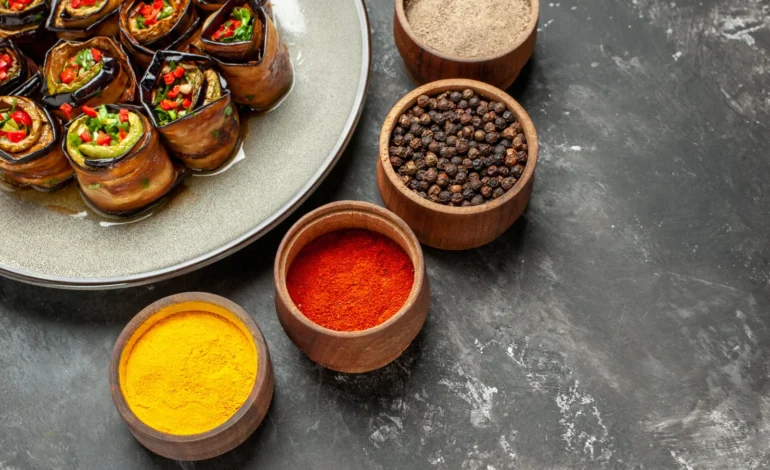
Spices and Seasonings: Soutaipasu culinary specialists are experts in the equilibrium of high-energy spices. Imagine a combination of cumin, cardamom, turmeric, and chillies, which is all complemented with various oils and concentrated forms. Using fermented oils, shrimp paste, and other items with a deep umami content also helps to create advanced flavors and balance in dishes.
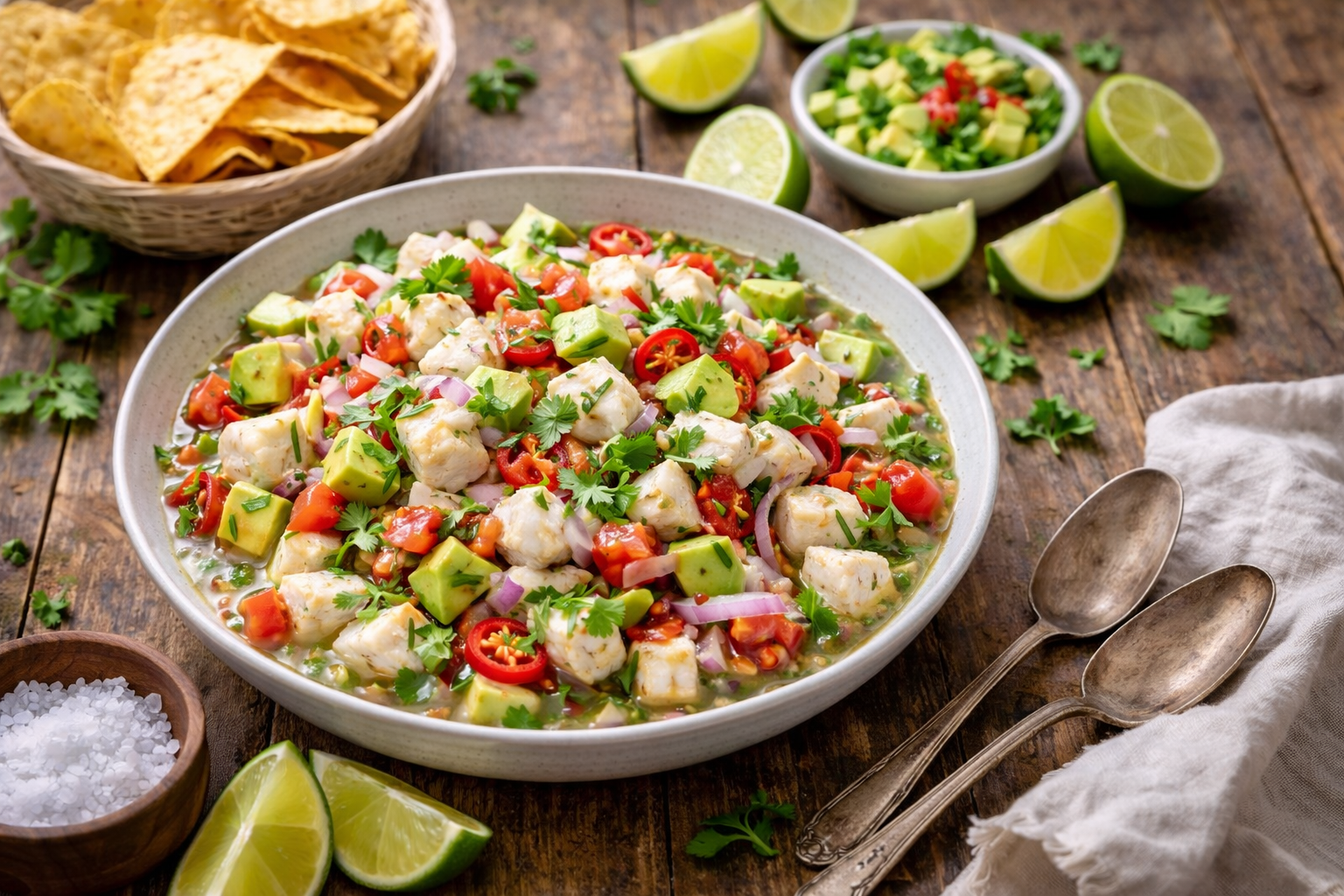
Seafood: Because of its heritage, seafood is instead of the focal point in Soutaipasu dishes. Fresh fish, seafood, and other crustaceans are prepared in a way that brings out their natural flavours. Whether seafood is grilled, steamed, or stir-fried, it is treated with care so that each bite is as delicate and fresh as possible.
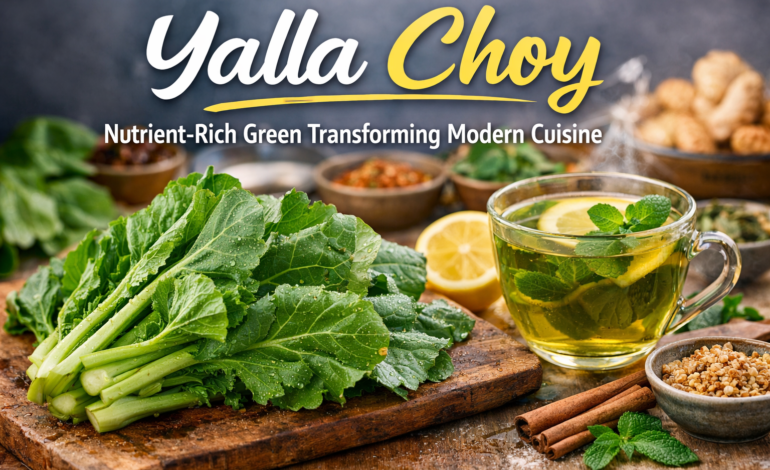
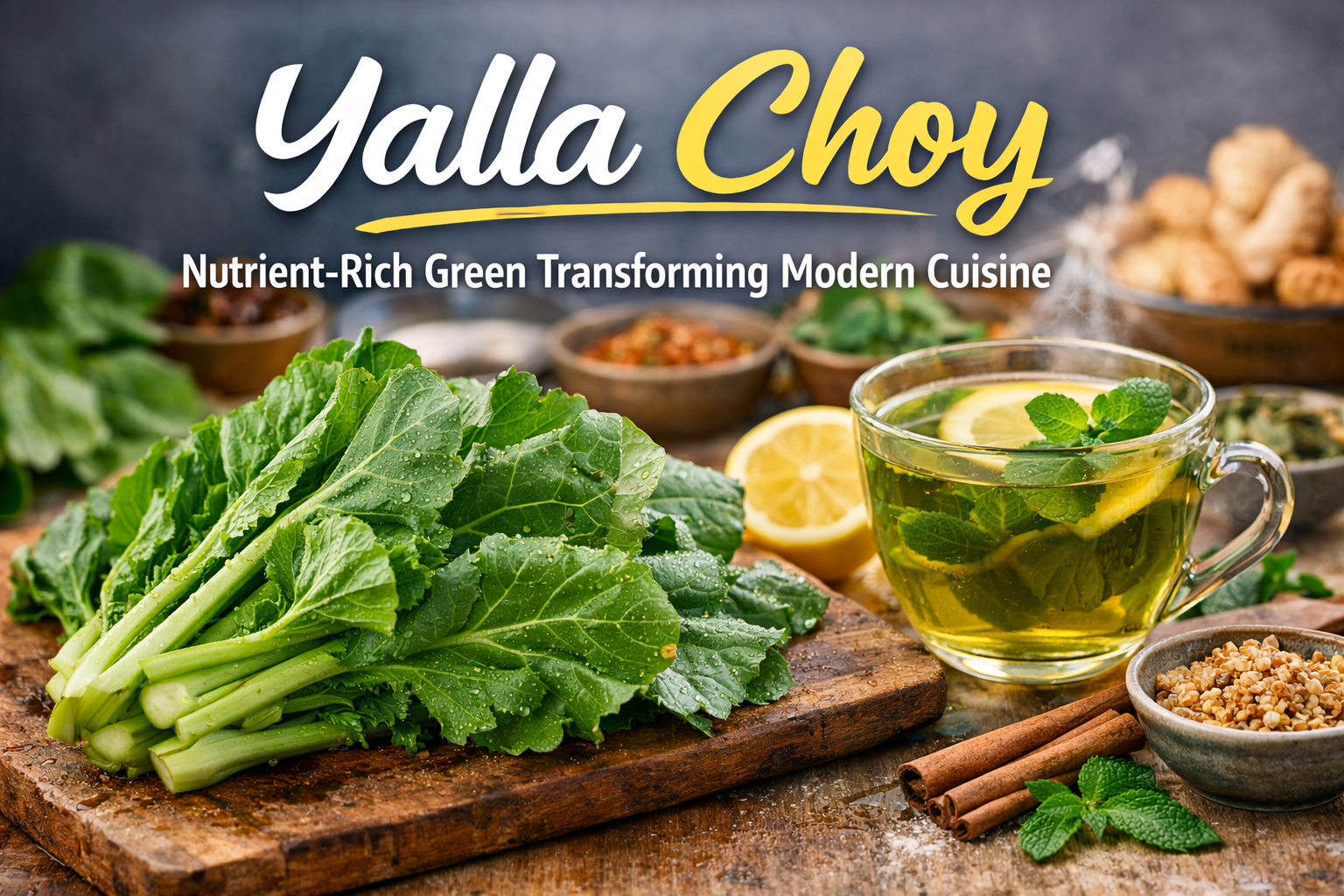
Vegetables and greens: Vegetables, such as bok choy and wild varieties, and eggplant, are prepared with a particular combination of heat and tenderness. These are often paired with an acid component, such as tamarind or citrus, to create a clean and refreshing contrast to the richness of the fish and meats.
Must Try Soutaipasu Dishes
With regard to Soutaipasu cuisine, there are several dishes. Services each provide an experience unique to the heart of Soutaipasu culture.
Soutaipasu Signature Dish: Spiced Fish Stew
The best example of Soutaipasu Dexterity is the Spiced Fish Stew. It is also a perfect example of the seamless combination of fresh seafood and aromatic, spicy elements. A tender fish is stewed in a broth made of coconut milk, herbs and chilies, fermented pastes and other seafood. The final dish is a large and rich offering that is perfectly balanced with heat and creaminess and is sure to comfort anyone.
Grilled Vegetables with Citrus Marinade
Try the Grilled Vegetables Marinated in Citrus for a touch of sweetness, as the vegetables crackle and brown in the comic as Cuban’s Citrus and veggie. Soft and smoky, these vegetables develop a perfect crunch that balances with the aroma of the freshly cut Cuban veggies and cigars. Emulating the rustic Cuban style cooking, we cooked with rustic appliances and cast iron.
Sticky Rice Cakes with Savory and Sweet Toppings
Sticky rice cakes are a Soutaipasu favorite, soft and chewy with tropical toppings. These rice delicacies offer a perfect blend of taste and textures, with a quick serve and eat style. These are often sold as street food and are perfect anytime!
Coconut Pudding with Caramel Sauce
Try dessert first, some pudding! This is soft, smooth and more silky than mushy, we’ll even convince you it’s the lightest dessert you’ve ever had! The rich, thick and warm caramel ribboned on top adds just the right sweetness we’ve all been craving to the coconut’s subtle, savoury flavors.
Soutaipasu Cooking Techniques and Cultural Influence
Cultural influences in Soutaipasu cooking come from all over the world due to the Soutaipasu area’s specific location in the world, close to several ancient trade routes and the local history and migration of various peoples. Clay pot cooking methods cuisine is the result of local and global history coming together.
Slow Cooking: It’s cooking well known for cooking over the open flame for long periods of time. The long cooking time lets the meat and spices get tender and develop a rich and smoky flavor.
Use of Clay Pots: Stews and soups are made in clay pots. The thick walls of the clay pot keep the heat in and let the dish cook slowly and evenly. This is a favoured method for making a dish of stews and a dish of curries.
Fermentation: The process of fermentation adds great complexity to many herbal infusions in cooking dishes and is very important. Pickled vegetables and sauces made from fish and fermented pastes add the Southwestern cooking in a Soutaipasu dish, the great and umami flavour that many people cook and think of as central to Soutaipasu cuisine.
Finding Quality Soutaipasu Cooking
While Soutaipasu can be found from anywhere in the world, the best Soutaipasu is where it originated. For culinary enthusiasts, Soutaipasu focal food festivals or regional markets are the ideal way to engage with the culture.
In the area: Soutaipasu-purchasing, Cities and villages offer some of the best food experiences. Countryside food stalls, small family-run bistros, and local food markets serve mouthwatering meals that have been cooked and perfected over generations.
Around the world: For those living abroad or on an international journey, look for specialized this food. A lot of popular cooks are focusing on creating meals from this spiced food culture and really adding their unique flair to traditional South Asian cooking.
Incorporating Soutaipasu Flavors in Your Cooking
You can have Soutaipasu cooking’s complex, bold flavors right in your home. Here are a few ways to bring Soutaipasu cooking into your home.
Play with spices: To elevate food, use spices such as turmeric, cumin, and coriander. For heat, add a pinch of chilli or chilli paste to the food.
Marinating different meats: To tingle your taste buds, try marinating any meat or fish in fermented pastes along with spices and any type of citrus. This will give your protein an authentic Soutaipasu culinary taste.
Using coconut milk: Soutaipasu cuisine includes many dishes that use coconut milk. It serves as a rich, creamy base that can be used in many dishes, including curried, soupy, or even dessert meals.
Slow cook: This can be easily adapted to your home as well by purchasing a slow cooker or cooking over low heat in a pot.
Soutaipasu Cuisine Will Be One To Remember
Cuisine from Street food in Southeast Asia blends culture, tradition, and tons of creativity. Its history, along with different unique ingredients, allows for a culinary experience that is unrivalled. Soutaipasu cuisine allows for limitless joy, whether it’s iconic dishes or your personal exploration with different ingredients.
This cuisine is unique and extraordinary, as it will enable you to be part of a living culture that is continually evolving. Soutaipasu cuisine is mouthwatering and allows for culinary exploration that celebrates and brings people together.
FAQs About Soutaipasu Cuisine
1. What is Soutaipasu cuisine?
Soutaipasu cuisine is a unique and vibrant culinary tradition that blends rich, locally sourced ingredients with aromatic spices, fresh herbs, and traditional cooking methods. Originating from [region], Soutaipasu reflects the region’s rich cultural history and its love for bold, complex flavors. The cuisine is known for its balanced use of sweet, salty, sour, and spicy elements, with an emphasis on seafood, fresh vegetables, and fermented pastes.
2. What are the key ingredients in Soutaipasu dishes?
The primary ingredients in Soutaipasu cuisine include:
Fresh seafood like fish and shellfish, often caught locally.
Vegetables such as bok choy, eggplant, and wild greens.
Spices including cumin, turmeric, coriander, and chilies.
Fermented elements like fish sauce, fermented pastes, and pickled vegetables.
Coconut milk and aromatic oils like sesame or peanut oil. These ingredients come together to create a deep, flavorful profile that defines Soutaipasu dishes.
3. What is the most popular dish in Soutaipasu cuisine?
One of the most iconic and beloved dishes in Aromatic herbs and spices cuisine is the Spiced Fish Stew. This dish combines fresh fish with a rich blend of spices, herbs, and coconut milk, creating a comforting and flavorful meal. It’s a great representation of the balance between heat, creaminess, and aromatic complexity that defines Soutaipasu cuisine.
4. Where can I find authentic Soutaipasu cuisine?
The best place to experience authentic cuisine is in its place of origin, where you can visit local markets, street vendors, and small family-run restaurants. Soutaipasu food festivals and communal gatherings are also great opportunities to try a wide variety of dishes. If you’re traveling internationally, many specialty restaurants and chefs around the world now specialize in this cuisine. Look for restaurants with a focus on regional authenticity, or seek out pop-up food events that feature this unique culinary tradition.
5. What are the traditional cooking methods used in Soutaipasu cuisine?
Traditional Soutaipasu cooking methods include:
Slow-cooking over an open flame, which infuses dishes with a smoky depth and tenderness.
Steaming and grilling, which are common for vegetables and seafood.
Fermentation, used to add complexity and umami to many dishes, such as pickled vegetables and fermented sauces.
Cooking in clay pots, which allows ingredients to simmer slowly, enhancing their flavors.
These methods ensure that each dish is packed with rich, authentic flavors and textures.
6. Can I make this dishes at home?
Absolutely! Many Soutaipasu dishes can be made at home with the right ingredients and cooking methods. Start by experimenting with key ingredients like coconut milk, fermented pastes, and fresh seafood. You can find plenty of recipes online to guide you through making dishes like Spiced Fish Stew or Grilled Vegetables with Citrus Marinade. Slow-cooking and marinating meats or vegetables in traditional seasonings will help bring authentic Soutaipasu flavors to your kitchen.
7. What are some common vegetarian options in Soutaipasu cuisine?
While Soutaipasu cuisine is known for its use of seafood, there are plenty of vegetarian-friendly options as well. Dishes like Grilled Vegetables with Citrus Marinade, Rice Cakes, and various vegetable stews make for hearty, flavorful meals. Many Soutaipasu dishes also feature wild greens, leafy vegetables, and legumes, making it easy to enjoy a vegetarian-friendly meal without sacrificing flavor.
8. How can I incorporate Soutaipasu flavors into my regular meals?
To incorporate Soutaipasu flavors into your everyday cooking, try adding:
Spices like cumin, turmeric, and chili paste to your stir-fries, soups, or curries.
Coconut milk as a base for curries, soups, and even desserts.
Marinades using citrus, fermented pastes, and herbs to add bold flavors to meats or vegetables.
Pickled vegetables and fermented sauces to add tang and depth to salads, sandwiches, or rice dishes.
Experiment with these ingredients to give your regular meals an exciting twist and bring a touch of Soutaipasu to your kitchen!
9. What makes Soutaipasu cuisine different from other Southeast Asian cuisines?
While many Southeast Asian cuisines share similar ingredients, Soutaipasu stands out due to its unique balance of flavors and the emphasis on slow-cooking and fermentation. The use of local seafood and vibrant spices gives Soutaipasu a distinctive taste profile, with a focus on achieving perfect harmony between sweet, salty, sour, and spicy components. Additionally, the cultural history and regional practices play a key role in differentiating this from other neighboring cuisines.
10. Are there any health benefits to Soutaipasu cuisine?
Yes! Soutaipasu cuisine is full of health benefits thanks to its focus on fresh, whole ingredients. The abundant use of vegetables, fish, and spices like turmeric and garlic can support overall health. Many dishes are also rich in omega-3 fatty acids from fish, and the use of fermentation helps with digestion and gut health. Moreover, This cuisine often uses healthy cooking methods like steaming and grilling, which preserve the nutritional value of the ingredients.